Call us anytime

0595179981
We support sourcing, coordination, delivery control, and IT automation in one practical service model.

These five service layers work together to support mining and industrial customers across product flow, response coordination, operational continuity, and technical execution.


Product supply is structured to match operating requirements rather than simply moving
We support mining and industrial customers by aligning requirement clarity, product matching, sourcing coordination, and delivery follow-up into one workable supply path.
Value: stronger supply visibility and fewer gaps between demand, sourcing, and delivery.
Spare parts support focuses on maintaining operational continuity and reducing avoidable downtime risk.
We help customers manage replacement needs, maintenance-related supply requests, and continuity-sensitive parts support in a more organized and responsive way.
Value: better continuity protection and lower disruption risk around essential replacement needs.

This service is built to reduce fragmentation and keep execution aligned across multiple parties.

Operational support is designed for continuity, not only for one-time execution.
We support customers who need steady response, issue handling, and ongoing coordination around recurring requirements in mining and industrial environments.
Value: steadier day-to-day support and stronger continuity under operational pressure.
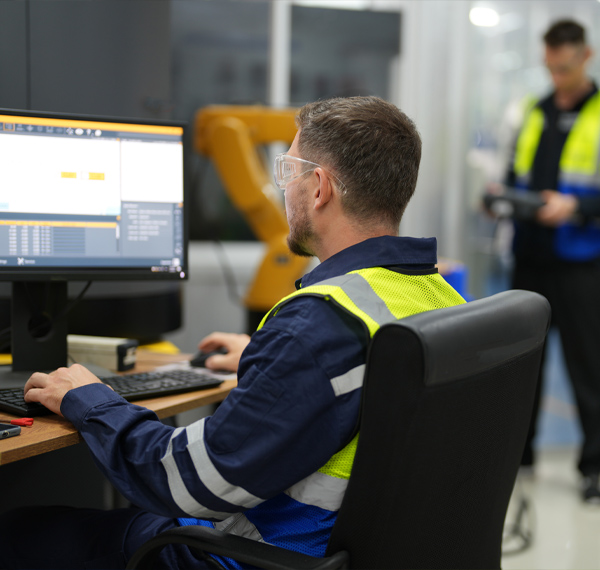
This service supports technical execution and workflow improvement without turning the page into a software pitch.
We provide technical coordination, field communication support, and automation-related assistance that helps industrial customers improve clarity, speed, and operational control.
Value: better visibility, cleaner execution flow, and stronger support for technical operating environments.

Execution and follow-up are treated as core business disciplines, not optional service language.

Requests, coordination paths, and communication remain organized even when operating pressure increases.

Support is shaped around real operational needs, timelines, and working constraints.

The relationship is approached as continuing cooperation rather than a short transactional exchange.